Black Frame Drawing: A Versatile Decorative Element for Creative and Professional Projects
Black Frame Drawing is a striking visual element that adds depth, contrast, and elegance to a wide range of creative and professional projects. Whether you're designing invitations, creating digital art, or preparing print materials, this ornamental design offers a unique way to enhance your work. Its bold lines and structured composition make it ideal for use in various formats, from digital illustrations to physical prints.
Understanding Black Frame Drawing
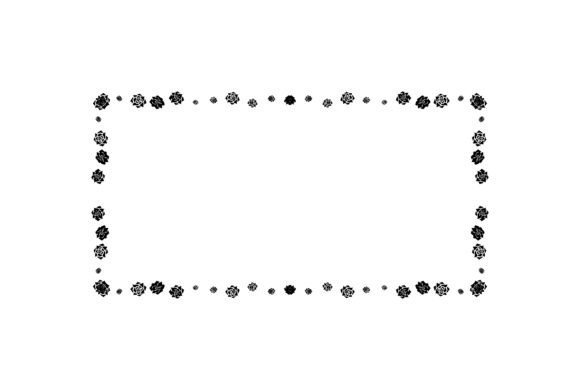
A Black Frame Drawing typically features a thick black outline that frames the central subject or pattern. This design choice not only highlights the focal point but also provides a sense of sophistication and clarity. It can be used as a standalone graphic or incorporated into more complex compositions, making it a flexible tool for designers, artists, and entrepreneurs alike.
The decorative drawing is often created with precision, ensuring that every line is clean and intentional. This makes it particularly well-suited for use in software like Photoshop, Illustrator, GIMP, and even Cricut cutting machines. The high-resolution format (4936x3319px at 300 dpi) ensures that it remains sharp and detailed, whether printed on paper or displayed digitally.
Integrating Black Frame Drawing into Your Workflow
Incorporating Black Frame Drawing into your workflow can streamline several aspects of your creative process. For instance, if you're working on a book cover design, using a black frame can help draw attention to the title and artwork while maintaining a professional look. Similarly, when designing invitation cards or greeting cards, the contrast provided by the black frame helps ensure readability and visual appeal.
For those who use Cricut or other paper-cutting tools, the ornamental design sign serves as an excellent template. The crisp lines allow for precise cuts, resulting in clean and polished final products. This makes it particularly useful for crafting stickers, banners, or business cards that require a refined appearance.
Before Starting a Project
Before beginning any project that involves Black Frame Drawing, it's essential to consider its role within the overall design. Will it serve as a border, background, or central feature? Understanding how the black frame interacts with other elements—such as text, color schemes, or images—can help avoid potential clashes and ensure harmony in the final output.
Additionally, selecting the right file format is crucial. Since the calligraphic picture is available in both PNG and JPG formats, choosing between them depends on the intended use. PNG files are better suited for transparent backgrounds, while JPGs are more appropriate for solid-colored designs.
During the Design Process
Once you've decided on the placement of the Black Frame Drawing, the next step is to integrate it into your design software. Tools like Adobe Photoshop, Illustrator, or even free alternatives like GIMP offer robust options for editing and customizing the frame. You can adjust the size, position, and layering to suit your specific needs.
If you're working on a print-on-demand project, ensuring that the black frame aligns correctly with the rest of the design is critical. Misalignment can lead to inconsistencies in the final product, especially when scaling up or down for different sizes.
After Finalizing the Design
After the design is complete, exporting the file in the correct format is essential. If you plan to use the Black Frame Drawing for digital platforms such as websites, blogs, or social media, PNG files are generally preferred due to their support for transparency. However, if you're printing the design, JPG files may be more suitable, depending on the printer's requirements.
It's also important to organize your digital assets properly. Storing all relevant files—such as the original graphic design element, edited versions, and final outputs—in a centralized location can improve efficiency and reduce the risk of losing important data.
Use Cases for Black Frame Drawing
The versatility of Black Frame Drawing makes it applicable across a wide range of fields. Here are some common use cases:
- Book Covers: Enhances the visual impact of titles and artwork.
- Artwork and Blogs: Adds structure and focus to visual content.
- Invitation Cards: Creates a sophisticated and elegant look.
- Greeting Cards: Provides a clean and professional aesthetic.
- Banners and Business Cards: Offers a modern and eye-catching design.
- Scrapbooking: Adds a decorative touch to layouts and pages.
Its compatibility with various design software means that Black Frame Drawing can be easily modified and adapted to fit different styles and preferences. Whether you're a freelancer, publisher, or small business owner, this graphic element can elevate your work and attract more attention from your audience.
Practical Tips for Using Black Frame Drawing
To get the most out of Black Frame Drawing, consider the following tips:
- Experiment with Placement: Try placing the black frame in different positions to see how it affects the overall composition.
- Combine with Other Elements: Pair the black frame with colors, textures, or patterns to create a more dynamic design.
- Ensure Consistency: Maintain consistent sizing and spacing when using multiple frames in a single project.
- Test Print Quality: Before finalizing a print job, test the black frame on a small scale to ensure it meets your quality standards.
- Organize Files: Keep your digital files organized to streamline the design and production process.
By following these practical steps, you can ensure that Black Frame Drawing enhances your work without overwhelming it. Its clean lines and structured form make it a valuable addition to any creative toolkit.
Whether you're looking to amaze your customers with a new design or simply want to add a touch of elegance to your projects, Black Frame Drawing is a versatile and effective option. Explore its many possibilities and discover how it can transform your creative process.