Coarse Sand Textures: Elevating Digital Design with Natural Aesthetic Appeal
Coarse sand textures have become a popular choice among designers, artists, and creators looking to add depth, authenticity, and visual interest to their digital projects. These high-resolution textures are designed to bring the natural world into digital spaces, offering a tactile and organic feel that complements a wide range of creative applications. Whether you're working on branding materials, social media graphics, or digital art, Coarse Sand Textures provide a versatile and professional look that enhances the overall aesthetic of your work.
The Characteristics of Coarse Sand Textures
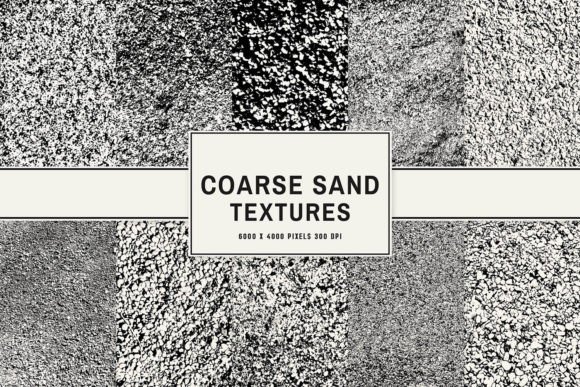
Coarse sand textures are created by capturing the unique grainy surface of natural sand, which is then digitally processed to maintain its original detail and texture. The result is a set of high-quality digital papers that can be used in various design software. These textures are available in both JPG and PNG formats, making them compatible with most graphic design tools. Each texture has a resolution of 6000 x 4000 pixels at 300 DPI, ensuring sharpness and clarity even when scaled up for large-format prints or high-resolution displays.
One of the key features of Coarse Sand Textures is their use of RGB colors, which allows for seamless integration with digital projects that rely on vibrant and accurate color representation. This makes them ideal for use in web design, where color consistency is essential for maintaining brand identity and visual appeal.
Compatibility with Adobe Photoshop and Other Tools
Coarse Sand Textures are specifically optimized for use with Adobe Photoshop CC or higher versions, but they are also compatible with other design software such as Illustrator, Canva, and GIMP. Their high resolution and quality make them suitable for both print and digital outputs, allowing designers to apply these textures across multiple platforms without compromising on visual fidelity.
Applications of Coarse Sand Textures in Design Projects
The versatility of Coarse Sand Textures makes them applicable to a wide variety of design fields. From branding and marketing to photography and digital art, these textures offer a unique way to enhance visual compositions. Here are some common use cases:
- Business Cards and Branding Materials: Adding a coarse sand texture to business cards or logos can give them a more organic and professional appearance. This subtle textural element can help differentiate a brand from competitors while maintaining a clean and modern look.
- Social Media Graphics: Social media platforms require eye-catching visuals that stand out in a crowded feed. By incorporating Coarse Sand Textures into background designs or overlay elements, designers can create a sense of depth and realism that draws users' attention.
- Photography Album Backgrounds: When designing photo albums or digital scrapbooks, using a coarse sand texture as a background can add a natural and earthy feel to the layout. This is particularly effective for travel-themed or nature-inspired collections.
- Web Design and Website Backgrounds: Websites often benefit from textured backgrounds that add visual interest without overwhelming the content. Coarse Sand Textures can be used as subtle overlays or full-page backgrounds to create a more engaging user experience.
- Party Invitations and Wedding Designs: For special events like weddings or birthdays, using a coarse sand texture can evoke a sense of elegance and simplicity. These textures can be incorporated into invitations, banners, or decorative elements to create a cohesive theme.
Using Coarse Sand Textures in Digital Scrapbooking
Digital scrapbooking is an area where textures play a crucial role in creating realistic and visually appealing layouts. Coarse Sand Textures can be used as background elements, page borders, or even as part of collage-style designs. Their natural graininess adds a tactile quality that helps recreate the look and feel of traditional paper-based scrapbooking in a digital format.
Designers can experiment with layering different textures or combining them with other elements such as photographs, illustrations, and typography to achieve a balanced composition. The high resolution of Coarse Sand Textures ensures that even when printed, the details remain crisp and clear, making them ideal for both digital and physical outputs.
Advantages of Using Coarse Sand Textures
One of the main advantages of using Coarse Sand Textures is their ability to add visual interest without being overpowering. Unlike bold patterns or bright colors, these textures offer a subtle yet effective way to enhance the overall design. They can be used to create contrast, add depth, or serve as a focal point depending on how they are applied.
Another benefit is the ease of customization. Since these textures are available in both JPG and PNG formats, they can be easily edited and manipulated within design software. Designers can adjust brightness, contrast, or opacity to match the specific needs of their project. Additionally, because they are compatible with a wide range of tools, they can be integrated into existing workflows without requiring significant changes or additional plugins.
Coarse Sand Textures also offer a sense of authenticity that is difficult to achieve with synthetic or artificial textures. Their natural appearance makes them ideal for projects that aim to convey a rustic, organic, or earthy vibe. This can be especially useful in industries such as interior design, fashion, or lifestyle photography, where the use of natural elements is highly valued.
Considerations When Using Coarse Sand Textures
While Coarse Sand Textures offer many benefits, there are a few considerations that designers should keep in mind. First, it's important to ensure that the texture is not too dominant, as this can distract from the main content or message of the design. It should be used as a complementary element rather than the primary focus.
Additionally, designers should be mindful of color compatibility. While RGB colors allow for a wide range of options, it's important to choose a texture that harmonizes well with the rest of the design. Testing the texture in different lighting conditions or on various screens can help ensure that it looks consistent across different platforms.
Finally, it's worth noting that while Coarse Sand Textures are high-resolution and suitable for most purposes, they may not be appropriate for extremely detailed or high-contrast designs. In such cases, a smoother or more refined texture may be a better choice.
Conclusion
Coarse Sand Textures offer a natural and professional way to enhance digital projects across a wide range of industries and applications. Their versatility, high resolution, and compatibility with major design tools make them a valuable asset for any designer looking to add texture and depth to their work. Whether used as a subtle background element or as a key design feature, these textures can elevate the visual appeal of any project while maintaining a sense of authenticity and professionalism.