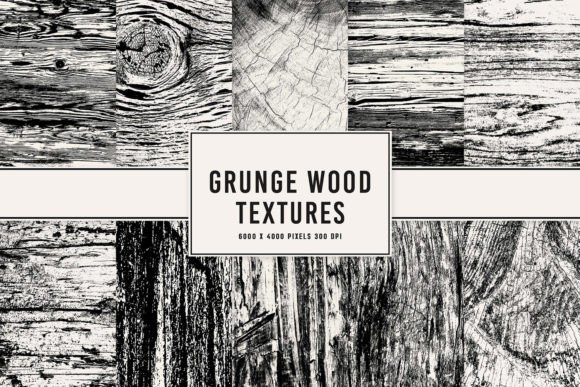
Grunge Wood Textures: Elevating Your Digital Projects with Authentic Style
What Are Grunge Wood Textures?
These textures are available in both JPG and PNG formats, making them versatile for various design applications. With a resolution of 6000 x 4000 pixels and a 300 DPI resolution, they ensure sharpness and clarity even when scaled up. The RGB color profile makes them ideal for digital use, while their compatibility with Adobe Photoshop CC or higher ensures seamless integration into your workflow.
Why Use Grunge Wood Textures in Design Projects?
Grunge Wood Textures offer a unique aesthetic that can transform ordinary designs into something more engaging and authentic. Their versatility allows them to be used across a wide range of industries and creative fields. From branding and business cards to websites and social media graphics, these textures can add depth and character to any project.
- Enhanced Visual Appeal: The natural grain and texture of wood can add warmth and dimension to flat designs, making them more visually interesting.
- Professional Quality: High-resolution textures ensure that your final output looks polished and professional, whether it's printed or displayed digitally.
- Time-Saving: Using pre-designed textures can save time compared to creating custom textures from scratch, allowing you to focus on other aspects of your project.
- Consistency: Grunge Wood Textures provide a consistent look across multiple elements of a design, helping to maintain brand identity and visual coherence.
Applications of Grunge Wood Textures
Grunge Wood Textures are incredibly versatile and can be applied to numerous design projects. Here are some common uses where these textures shine:
- Canva Backgrounds: Add a touch of rustic charm to your Canva presentations, social media posts, or marketing materials by using Grunge Wood Textures as backgrounds.
- Text Overlays: Layer text over a Grunge Wood Texture to create a vintage or distressed effect, perfect for headlines, quotes, or captions.
- Business Cards: Incorporate subtle wood textures into your business card design to give it a unique and memorable look.
- Branding Materials: Use these textures in logos, packaging, or promotional materials to establish a cohesive and authentic brand image.
- Website Design: Apply Grunge Wood Textures to website headers, buttons, or background sections to create a warm and inviting atmosphere.
- Social Media Graphics: Enhance your Instagram, Facebook, or Pinterest content with textured backgrounds that stand out from the crowd.
- Banners and Posters: Use these textures to create eye-catching banners and posters that draw attention and convey a sense of authenticity.
- Digital Scrapbooking: Bring your digital scrapbook pages to life with realistic wood textures that mimic traditional paper and fabric elements.
- Photography Album Backgrounds: Add a natural feel to your photo albums by using Grunge Wood Textures as backgrounds for printed or digital photos.
- Craft Projects: Whether you're working on DIY crafts, party invitations, or wedding décor, these textures can add a unique and personalized touch.
How to Incorporate Grunge Wood Textures into Your Workflow
Incorporating Grunge Wood Textures into your design workflow is straightforward, especially if you're using Adobe Photoshop or similar design software. Here are a few tips to help you get started:
Layering Techniques: Start by placing the Grunge Wood Texture on a separate layer above your base design. Adjust the opacity to blend the texture seamlessly with the underlying content. You can also use layer masks to reveal or hide parts of the texture for a more refined look.
Color Adjustment: Experiment with color balance or hue/saturation adjustments to match the texture with your overall design palette. This helps maintain harmony and prevents the texture from clashing with other elements.
Blending Modes: Try different blending modes like Overlay, Soft Light, or Multiply to see how they affect the texture and your design. Each mode can produce a unique effect, so don't be afraid to experiment.
Resizing and Cropping: Since Grunge Wood Textures are high-resolution, you can resize them without losing quality. However, always crop the texture to fit your specific design needs and avoid unnecessary white space or unwanted areas.
Considerations When Choosing Grunge Wood Textures
While Grunge Wood Textures are highly versatile, there are a few factors to consider before selecting them for your project:
- Resolution and File Size: Although most textures are high-resolution, large file sizes can slow down performance, especially when working with multiple layers in design software. Ensure you have enough system resources to handle these files efficiently.
- License and Usage Rights: Always check the license agreement to confirm that you're allowed to use the textures for commercial or personal projects. Some textures may require attribution or have restrictions on redistribution.
- Compatibility: Make sure the textures are compatible with your design software. While most are compatible with Adobe Photoshop, others may require conversion or adjustment for use in programs like Illustrator or Canva.
- Design Intent: Consider the overall style and purpose of your project. Grunge Wood Textures are best suited for designs that aim for a rustic, vintage, or handmade feel. They may not be appropriate for modern or minimalist projects.
Maximizing the Impact of Grunge Wood Textures
To get the most out of Grunge Wood Textures, it's essential to understand how they can complement your design goals. Here are a few recommendations to help you maximize their impact:
Use Subtlety: While it's tempting to go all out with heavy textures, subtlety often yields better results. A light overlay or a small section of texture can add depth without overwhelming the design.
Combine with Other Elements: Pair Grunge Wood Textures with other design elements like metallic accents, vintage fonts, or distressed effects to create a cohesive and layered look.
Experiment with Layouts: Don't be afraid to try different layouts and placements for the texture. Sometimes an unexpected position can lead to a more dynamic and engaging composition.
Stay Consistent: If you're using multiple textures in a single project, ensure they work together harmoniously. Consistency in style and application will enhance the overall professionalism of your design.